



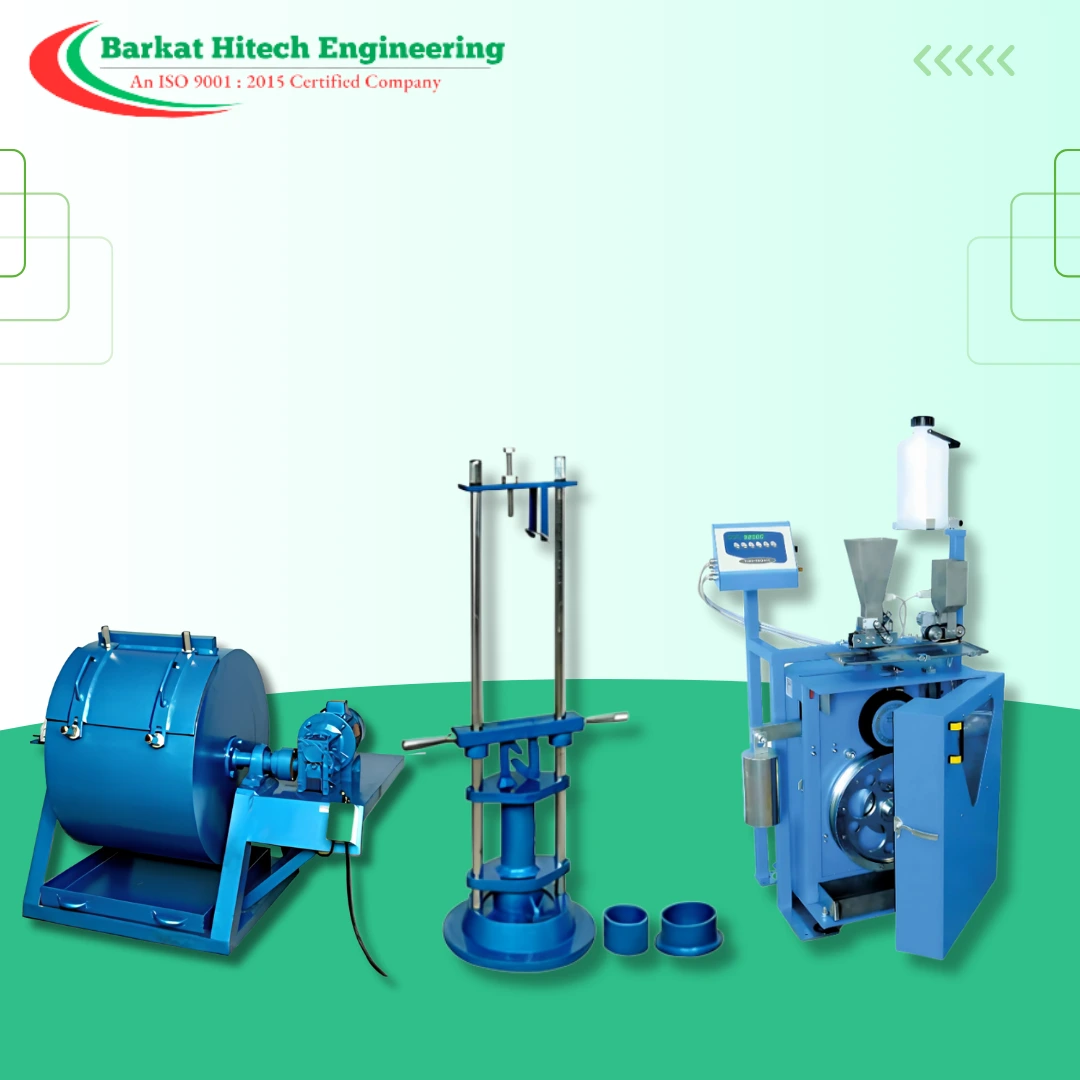
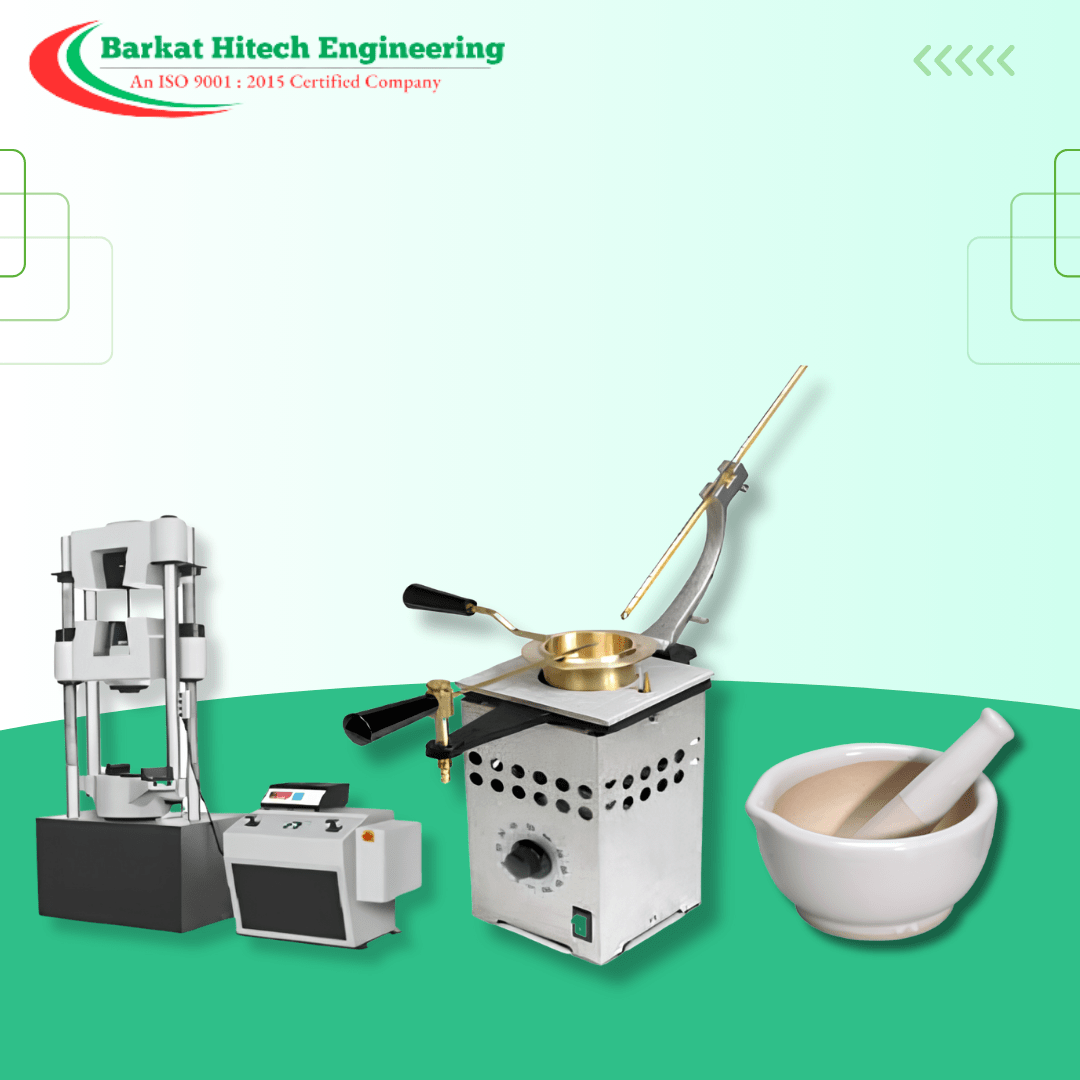

In modern construction, the durability, safety, and longevity of infrastructure are closely tied to the quality of materials used. Among these, aggregates—sand, gravel, crushed stone, and other granular materials—form the backbone of concrete, asphalt, and other construction composites. While these materials may seem ordinary, their physical and mechanical properties directly influence structural performance.
Ensuring aggregates meet the required standards is a critical function of aggregate testing laboratories. These laboratories act as the guardians of quality, analyzing material characteristics, identifying weaknesses, and providing reliable data to engineers, contractors, and project managers.
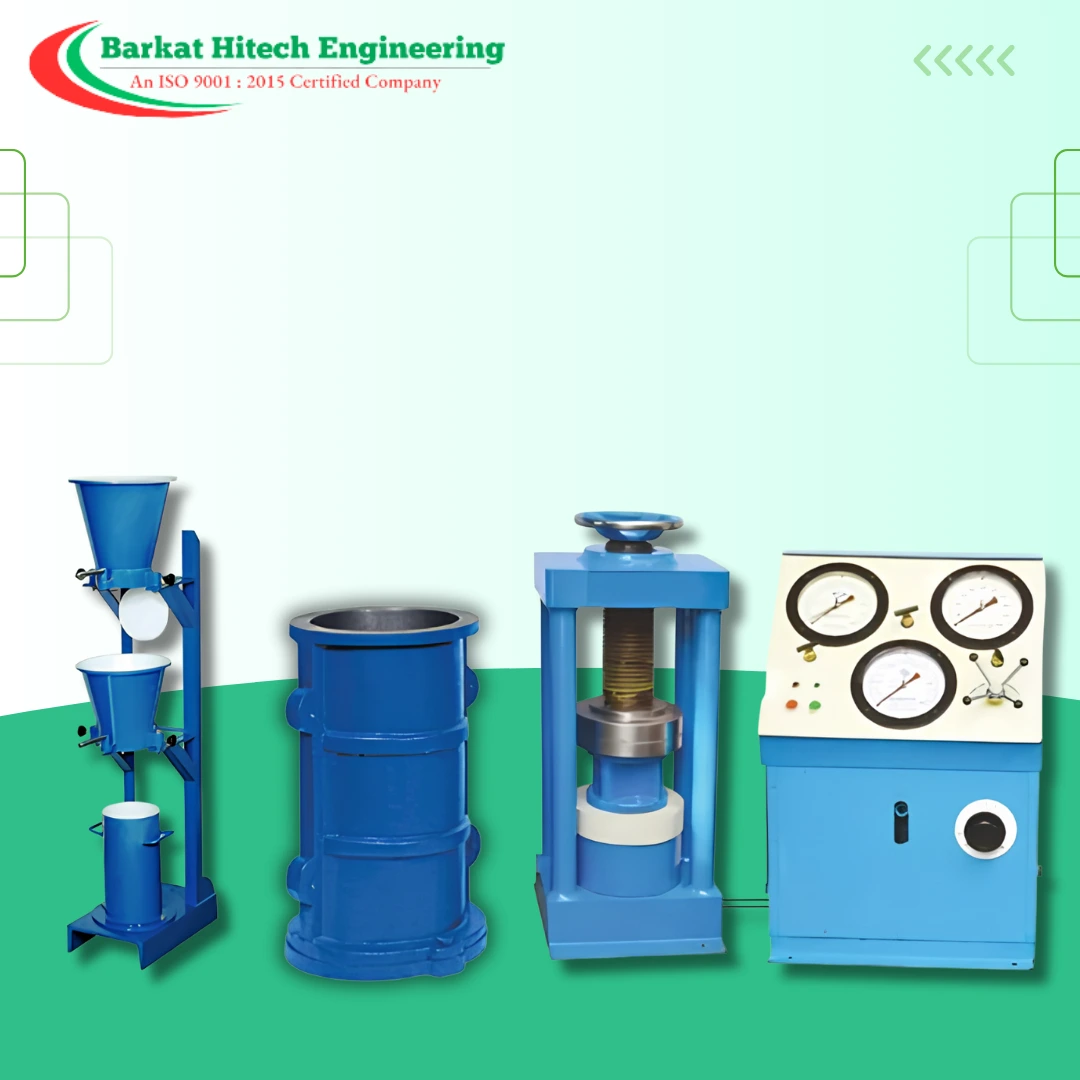
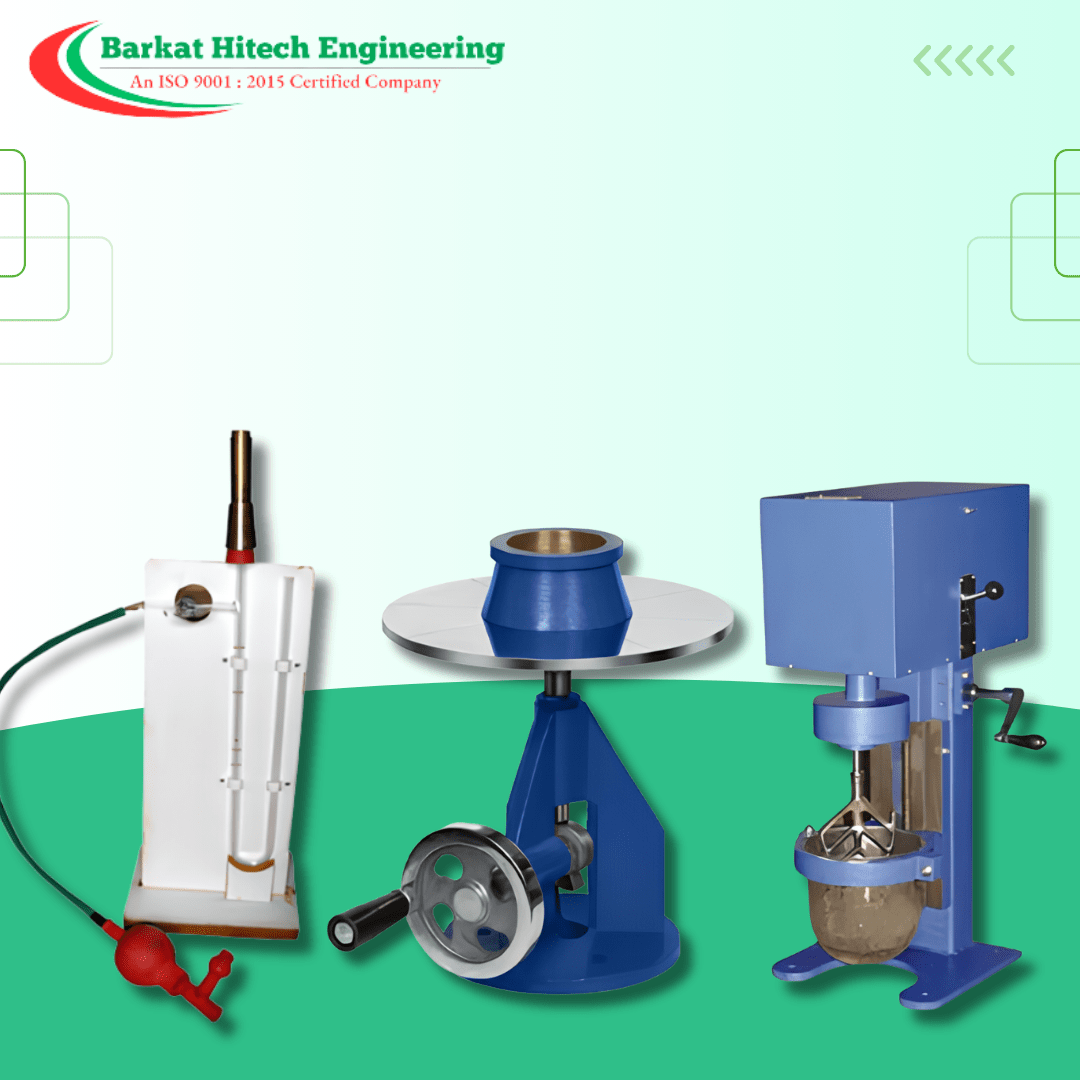
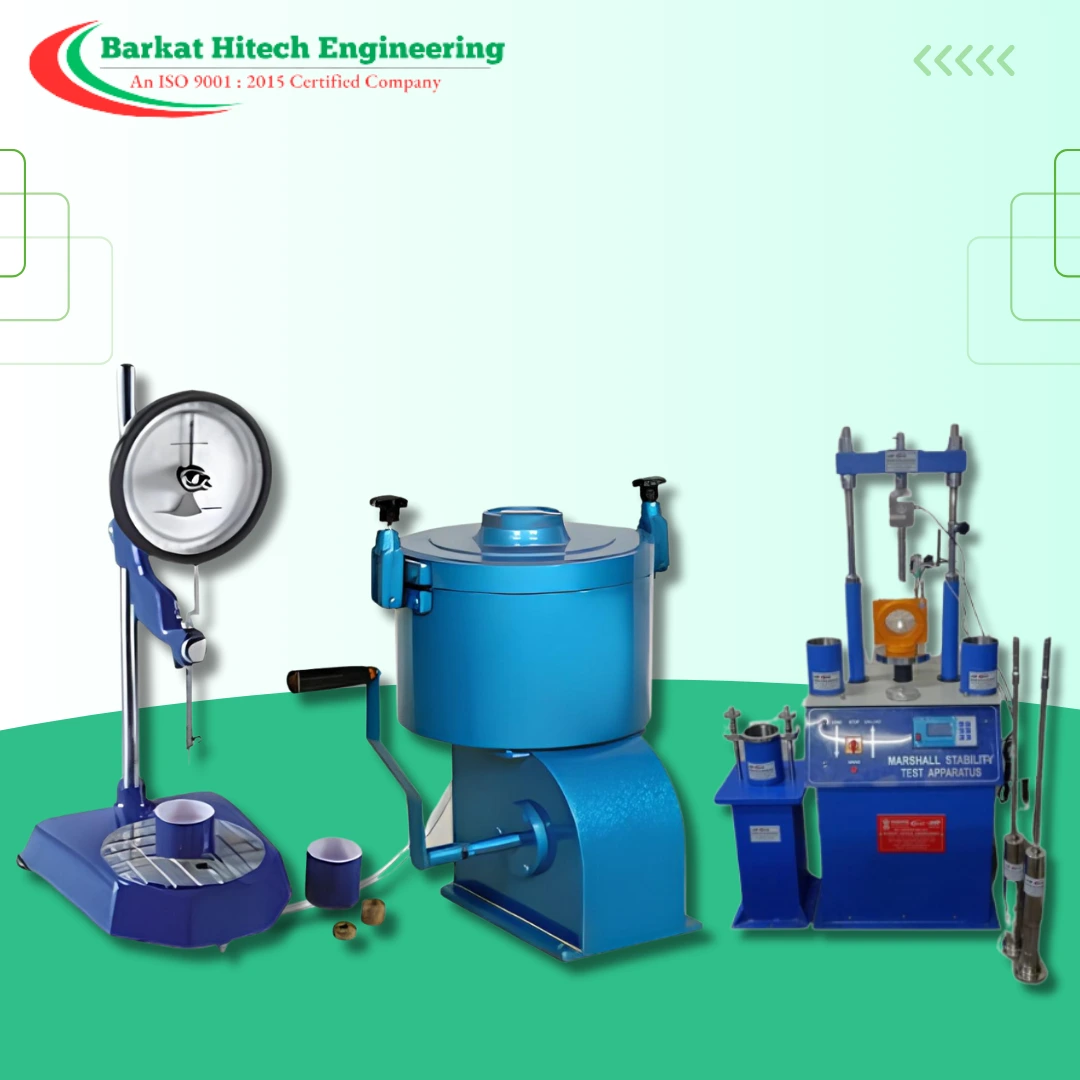
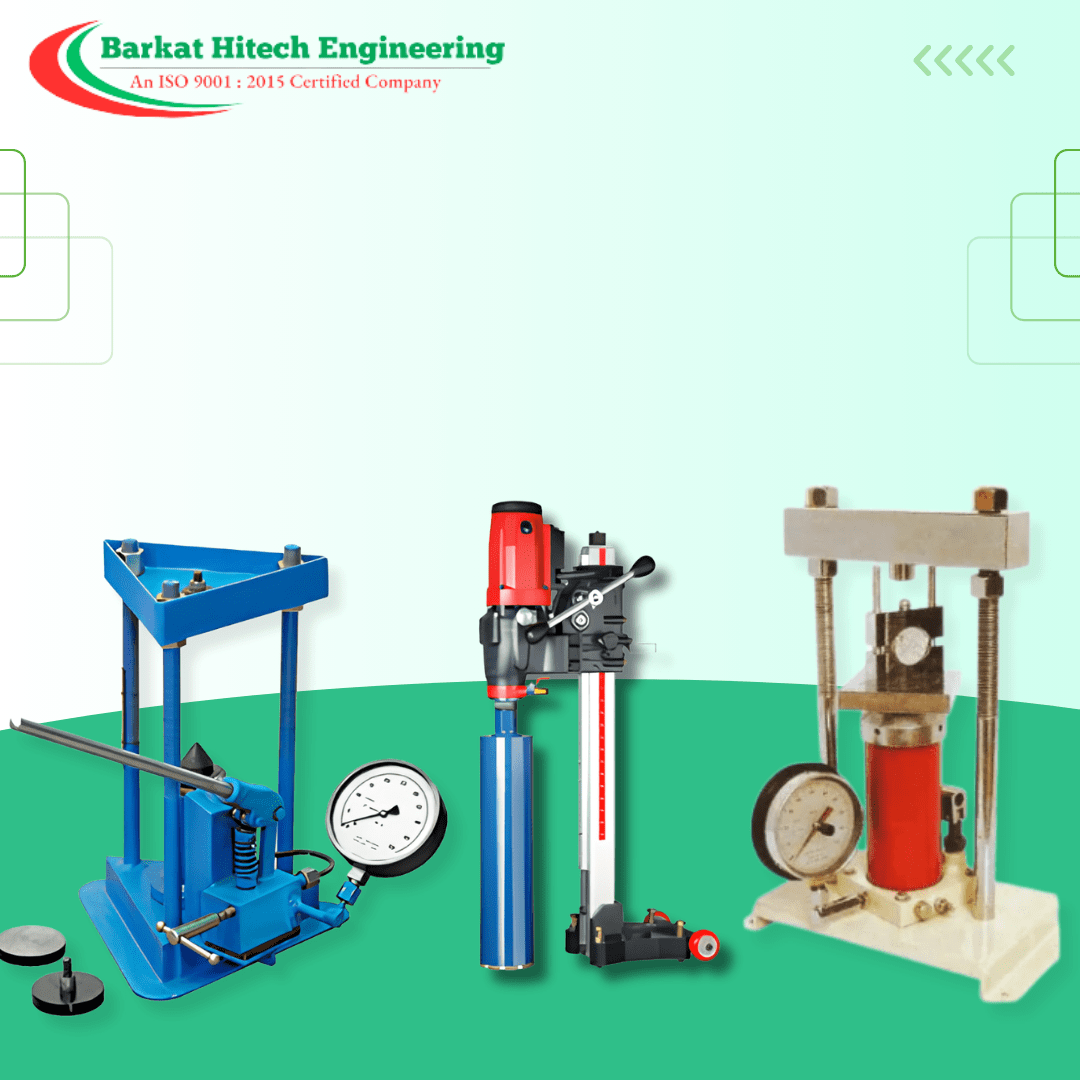
Barkat Hitech Engineering, a leading provider of concrete testing instrument and aggregate testing solutions, supports laboratories across India with high-quality testing instruments, helping ensure that every batch of aggregates is rigorously evaluated for construction projects of all scales.
Why Aggregate Testing Laboratories Are Essential
Aggregates are not just fillers in concrete; they determine the strength, workability, and durability of construction materials. Poor-quality aggregates can compromise structural integrity, leading to cracks, surface wear, premature deterioration, and even catastrophic failures. In large-scale projects, where aggregates are sourced from multiple suppliers, ensuring uniform quality is paramount.
Aggregate testing laboratories serve as critical checkpoints in the construction supply chain. They verify the properties of aggregates before they are used, helping maintain consistency, reduce risk, and ensure compliance with standards. In addition to safety, accurate testing saves time, money, and resources, as engineers can avoid using substandard materials that could cause expensive repairs later.
Key Aggregate Tests Conducted in Laboratories
Aggregate testing laboratories perform a wide range of tests to ensure the mechanical and physical properties of aggregates meet project requirements. Some of the most commonly conducted tests include:
1. Aggregate Crushing Value (ACV) Test
The ACV test evaluates the resistance of aggregates to crushing under compressive loads. This test is crucial for materials used in concrete, road surfaces, and foundations, as it simulates the stress aggregates face under heavy loads.
Testing Process:
- Aggregate samples are sieved to a specific size.
- A defined weight of aggregates is placed in a compression cylinder.
- A controlled compressive load is applied.
- The crushed material is measured, and the aggregate crushing value (%) is calculated.
A lower ACV indicates stronger aggregates suitable for heavy-duty construction projects.
2. Los Angeles (LA) Abrasion Test
The LA abrasion test measures toughness and wear resistance by simulating long-term mechanical abrasion. It is particularly important for pavement construction and other surfaces exposed to continuous traffic.
Testing Process:
- Aggregates are placed inside a rotating drum along with steel balls.
- The drum rotates for a fixed number of revolutions.
- Aggregates are sieved to measure the weight loss due to abrasion.
- The abrasion value (%) is calculated to determine aggregate durability.
Aggregates with low abrasion loss are ideal for high-traffic roads, runways, and heavy-duty flooring.
3. Aggregate Impact Value (AIV) Test
The AIV test determines how aggregates respond to sudden shocks or impact loads, simulating conditions such as dynamic loads in concrete or asphalt.
Testing Process:
- Aggregate samples are placed in a cylindrical mold.
- A hammer is dropped from a specified height to apply impact.
- Crushed particles are sieved, and the aggregate impact value (%) is calculated.
This test is critical for bridge decks, airport runways, and other structures where sudden stress may occur.
4. Sieve Analysis and Particle Size Distribution
Grading aggregates properly is essential for optimal concrete and asphalt mix design. Sieve analysis ensures uniform particle size distribution, which influences workability, compaction, and strength.
Testing Process:
- Aggregate samples are dried and weighed.
- Samples are passed through a stack of sieves with progressively smaller openings.
- Material retained on each sieve is weighed to determine the particle size distribution.
Proper grading enhances bonding between aggregates and cement, reducing voids and improving structural strength.
5. Water Absorption and Specific Gravity Tests
Water absorption measures the porosity of aggregates, while specific gravity evaluates their density. Both properties influence the water-cement ratio, workability, and durability of concrete mixes.
Significance:
- Aggregates with high water absorption require adjustments in mix design.
- Low-density aggregates may be unsuitable for high-strength concrete.
6. Flakiness and Elongation Index
The shape and texture of aggregates affect compaction, strength, and uniformity. Flaky or elongated aggregates may compromise concrete strength, while well-shaped particles ensure proper bonding and durability.
Testing Process:
- Aggregates are passed through specific gauges to separate flaky or elongated particles.
- The percentage of flaky or elongated aggregates is recorded and evaluated.
7. Soundness Tests
Soundness tests evaluate aggregate durability against weathering, freeze-thaw cycles, and chemical attack. They are essential for aggregates used in pavements, bridges, and exposed concrete structures.
The Importance of Standards in Aggregate Testing
Aggregate testing laboratories operate under strict standards to ensure consistency, reliability, and compliance. These standards include:
- Indian Standards (IS): IS 2386, IS 1121, IS 516
- ASTM Standards (US): ASTM C131, ASTM C142, ASTM D7012
- European Standards (EN): EN 1097, EN 12390
Adherence to these standards ensures that laboratories provide credible, repeatable, and accurate results, which are essential for regulatory compliance and project safety.
Applications of Aggregate Testing Laboratories
Infrastructure Projects
Highways, bridges, airports, and dams rely on aggregates that meet stringent quality requirements. Aggregate testing laboratories ensure that the materials used can withstand heavy loads, environmental conditions, and long-term wear, reducing maintenance costs and enhancing the lifespan of structures.
Mining and Quarry Operations
Mining and quarry operations depend on laboratories to assess the quality of rocks and aggregates before distribution. Testing ensures that aggregates meet construction specifications, prevents wastage, and reduces operational risks.
Research and Development
Aggregate testing laboratories contribute to material innovation. By analyzing new aggregate sources, recycled materials, and sustainable alternatives, labs support the development of stronger, eco-friendly concrete and asphalt mixes.
Quality Assurance and Certification
Laboratories provide essential certification for aggregate suppliers, verifying that materials meet project specifications. Certifications are critical for regulatory compliance, contractor accountability, and client confidence.
Challenges Faced by Aggregate Testing Laboratories
Aggregate testing laboratories face several challenges that must be addressed to maintain accuracy and efficiency:
- Variability in aggregate sources: Aggregates from different quarries can have varying properties, requiring comprehensive testing.
- Environmental factors: Moisture, temperature, and handling can affect aggregate quality.
- Volume of testing: Large construction projects require rapid, high-volume testing without compromising accuracy.
- Regulatory compliance: Laboratories must continuously adapt to evolving standards and accreditation requirements.
Addressing these challenges requires skilled technicians, precise instruments, and well-structured laboratory protocols.
Barkat Hitech Engineering: Supporting Laboratories Across India
Barkat Hitech Engineering has been a trusted partner for aggregate testing laboratories for years. The company provides high-quality instruments and equipment for all standard aggregate tests, enabling laboratories to:
- Conduct accurate and reliable testing
- Maintain compliance with global standards
- Generate trustworthy reports for suppliers, contractors, and regulatory bodies
- Ensure long-term durability and reliability of construction materials
With decades of expertise, Barkat Hitech supports laboratories in delivering precise results that are critical for infrastructure safety and quality assurance.
The Future of Aggregate Testing Laboratories
The future of aggregate testing laboratories is being shaped by technology, sustainability, and evolving construction demands:
- Sustainable Materials: Recycled aggregates and eco-friendly alternatives require specialized testing for strength and durability.
- Digital Data Management: Advanced software helps laboratories record, analyze, and report test results efficiently.
- Portable Testing Equipment: Field-level testing reduces delays and allows on-site quality verification.
- Predictive Analysis: Using historical test data to forecast aggregate performance in construction applications.
- Green Construction Practices: As eco-friendly projects gain prominence, laboratories must evaluate alternative aggregates for strength and compliance.
These developments ensure that aggregate testing laboratories remain essential partners in delivering safe, sustainable, and high-quality construction projects.
Conclusion
Aggregate testing laboratories are the unsung heroes of modern construction. They ensure that the aggregates used in concrete, asphalt, and other materials meet stringent quality requirements, directly impacting the safety, durability, and longevity of infrastructure.
By performing tests like crushing value, impact resistance, abrasion, sieve analysis, water absorption, and soundness, laboratories provide the data engineers need to make informed decisions. They also play a vital role in research, innovation, and certification of materials.
Barkat Hitech Engineering has been a key enabler for these laboratories, providing precise, reliable, and standard-compliant testing instruments. Through their support, laboratories can continue to deliver high-quality testing, safeguard construction projects, and contribute to building infrastructure that stands the test of time.
In the world of modern construction, aggregate testing laboratories are indispensable, ensuring that every project is built on a foundation of quality, strength, and reliability.

2 thoughts on “The Role of Aggregate Testing Laboratories in Modern Construction”
A really good blog and me back again.
wish you all the best
Comments are closed.