




Introduction
The construction industry is evolving at an unprecedented pace. With growing infrastructure demands, stricter quality standards, and increasing project complexity, the importance of material testing has never been greater. Whether it is a highway, bridge, dam, commercial building, airport, or residential project, the quality of construction materials directly influences structural performance, safety, and durability.
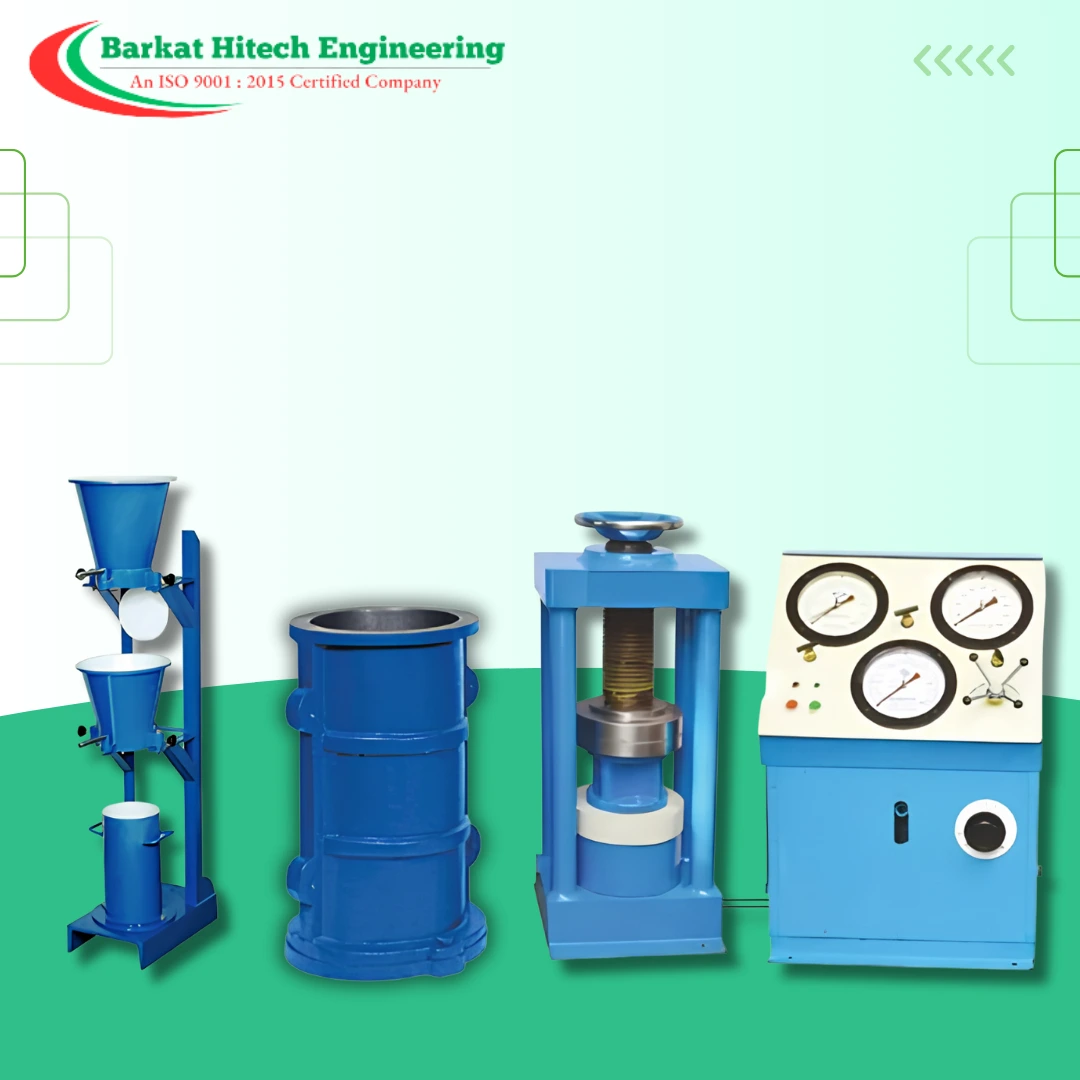
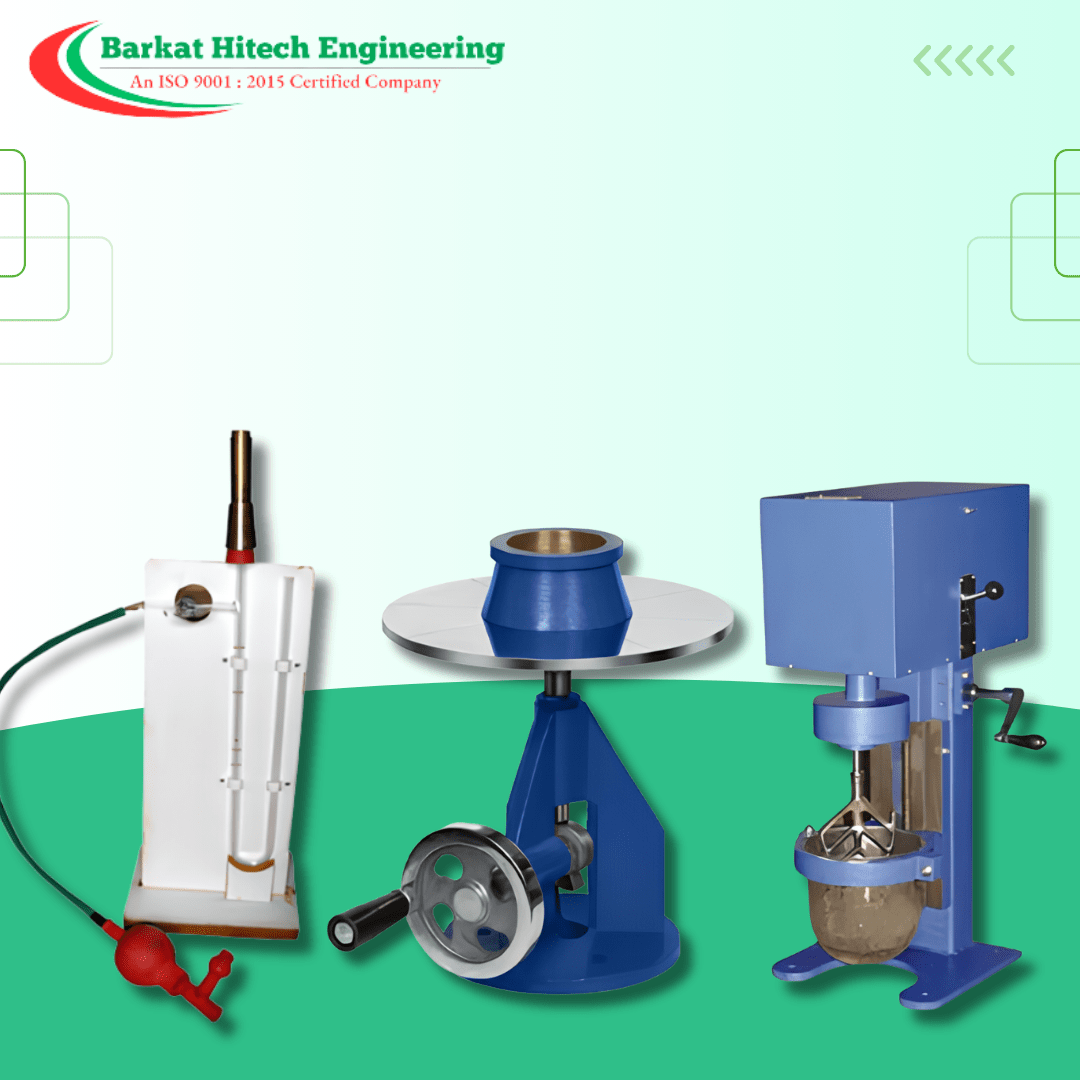
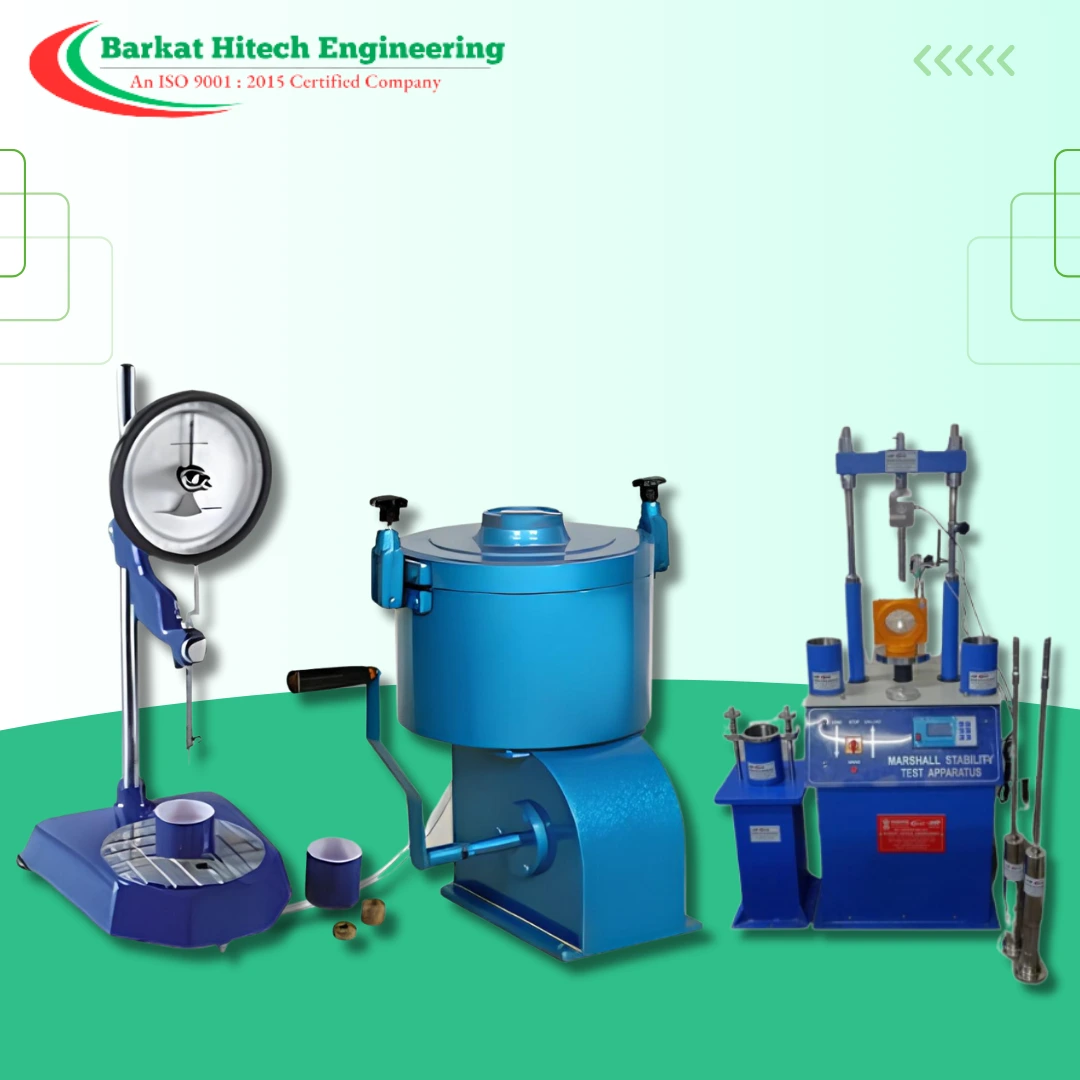
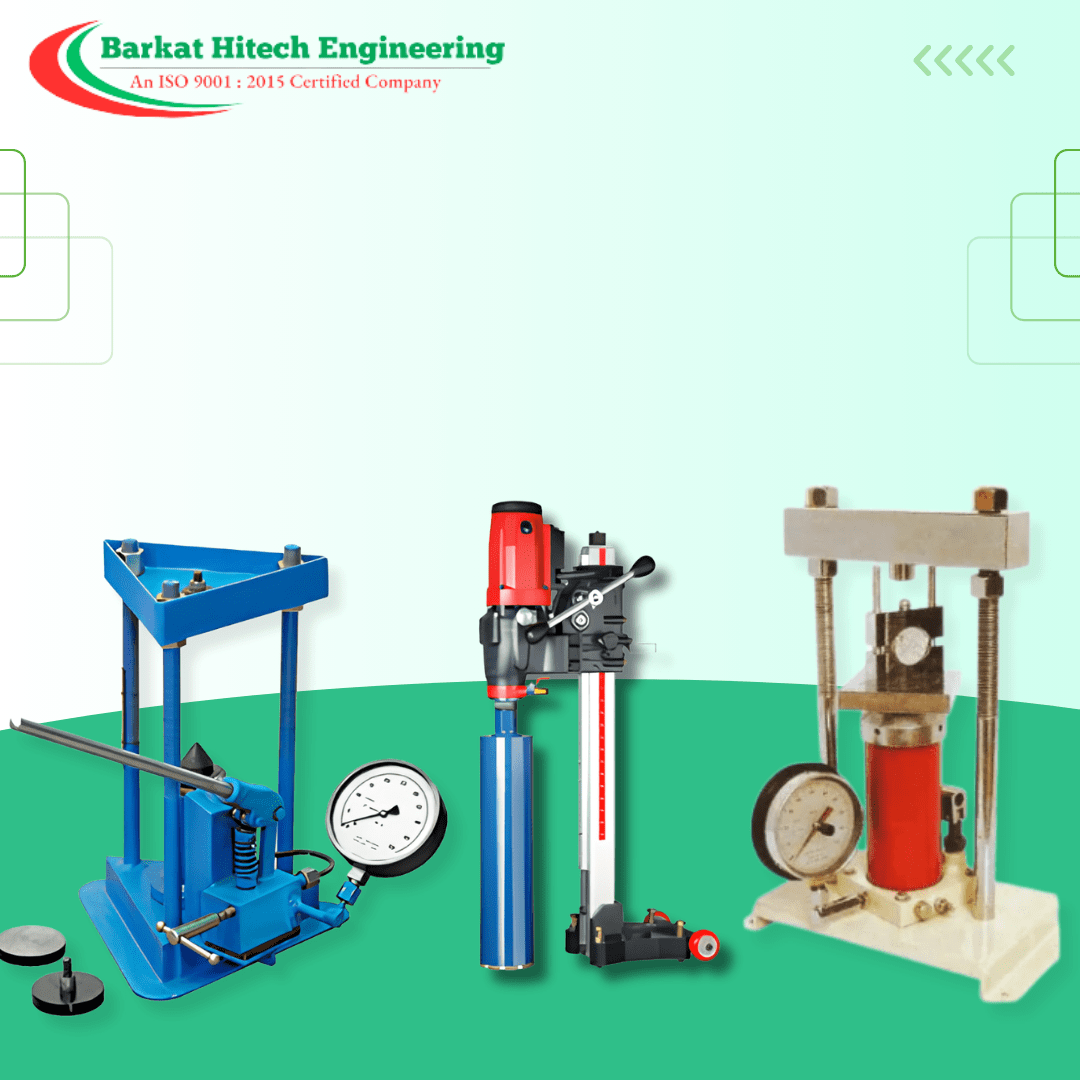
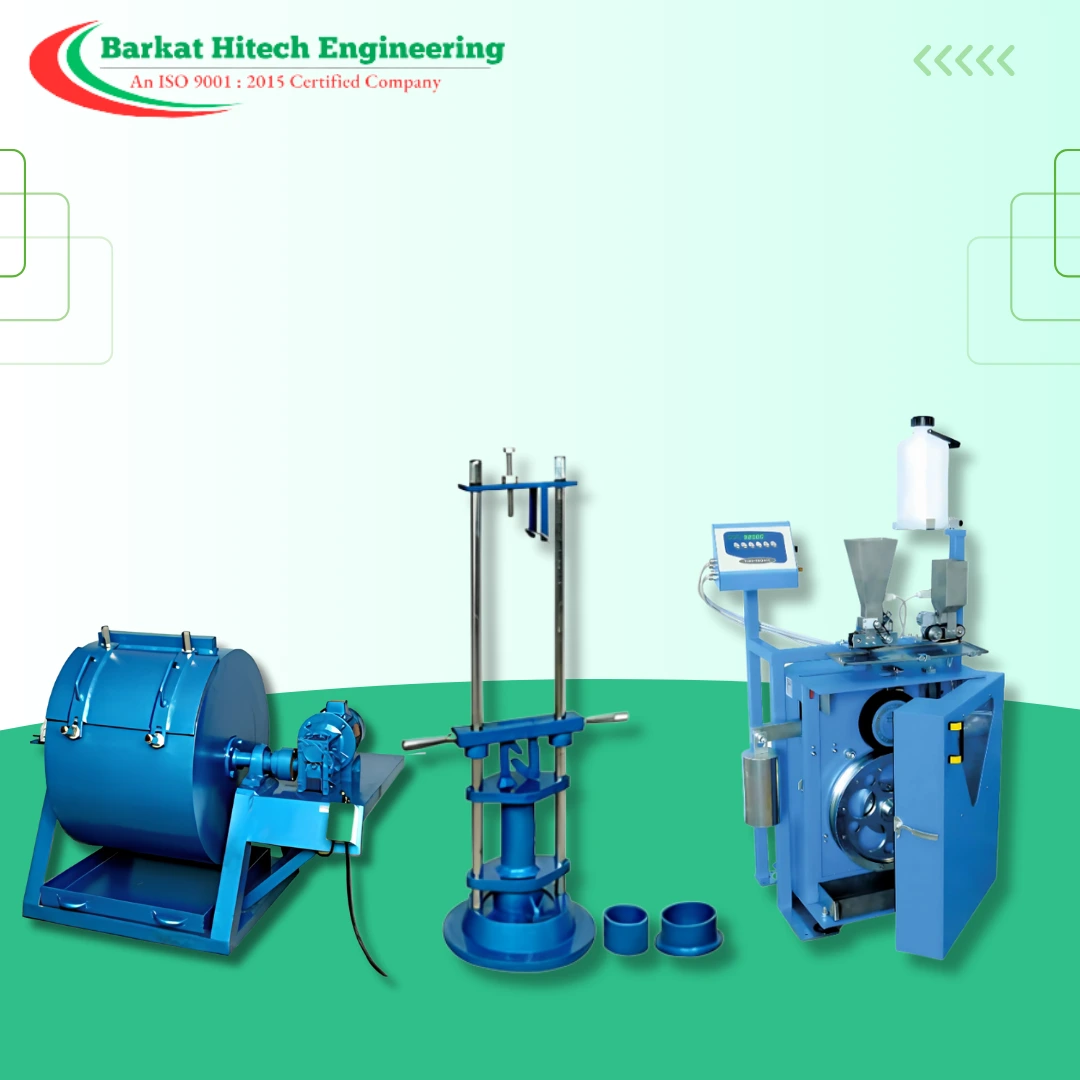
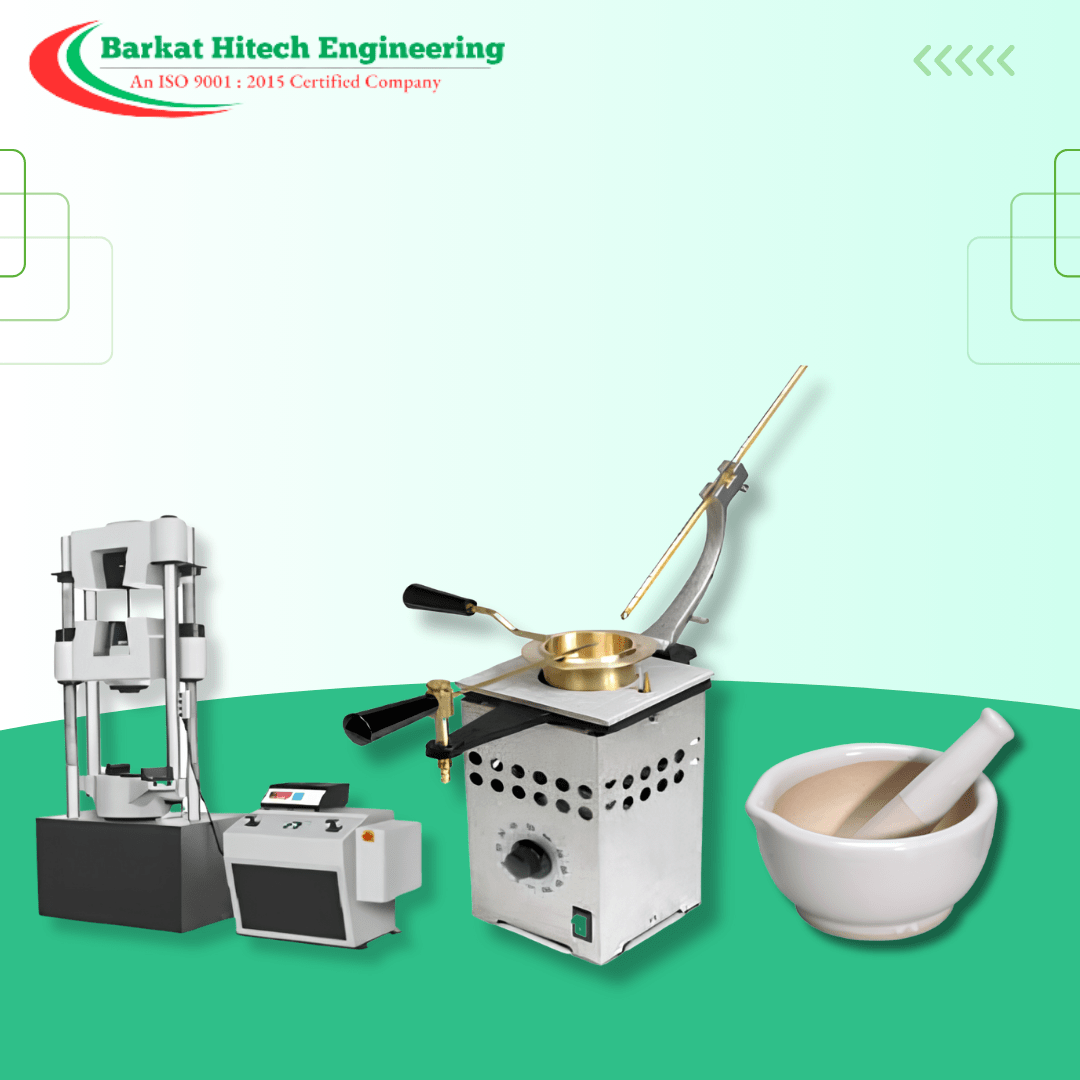
Civil engineering laboratories play a crucial role in maintaining construction quality by testing soil, concrete, cement, aggregates, asphalt, steel, and other building materials. To meet modern testing requirements, laboratories are increasingly investing in advanced Civil Lab Equipment that is offered by Barkat Hitech Engineering for greater accuracy, efficiency, and reliability.
Over the last decade, technological advancements have significantly transformed testing procedures. Traditional manual methods are being replaced by automated systems, digital monitoring solutions, cloud-based reporting platforms, and intelligent testing equipment. These innovations not only improve testing precision but also help laboratories reduce operational costs and enhance productivity.
As a trusted manufacturer and supplier of testing solutions, Barkat Hitech Engineering understands the changing needs of the construction industry. By embracing the latest developments in Civil Lab Equipment, laboratories can improve quality control processes and meet the demands of modern infrastructure projects.
This article explores the latest trends shaping the future of civil laboratory testing and how these innovations are revolutionizing construction quality assurance.
1. The Growing Importance of Civil Laboratory Testing
Quality testing is the backbone of every successful construction project. Before any structure is built, engineers need reliable data regarding material properties and performance characteristics.
Testing laboratories help ensure that construction materials comply with industry standards and project specifications. Accurate testing supports better engineering decisions and reduces the risk of structural failures.
The primary objectives of civil laboratory testing include
- Verifying material quality
- Ensuring compliance with standards
- Improving structural safety
- Enhancing durability
- Supporting design optimization
- Reducing maintenance costs
- Preventing construction defects
As construction projects become larger and more sophisticated, laboratories require modern Civil Lab Equipment from Barkat Hitech Engineering capable of delivering precise and repeatable results.
2. Evolution of Civil Lab Equipment
Civil laboratory testing has come a long way from manual testing procedures and basic mechanical instruments.
In the past, most testing processes relied heavily on operator expertise. Results were manually recorded, calculations were performed by hand, and reporting often consumed significant time and effort.
Today, technological advancements have transformed laboratory operations.
Modern Civil Lab Equipment by Barkat Hitech Engineering now features:
- Automated controls
- Digital displays
- Computer integration
- Real-time monitoring
- Wireless connectivity
- Cloud-based data storage
- Smart reporting systems
These improvements have increased testing efficiency while reducing the possibility of human error.
The evolution of testing equipment reflects the industry’s commitment to quality, safety, and innovation.
3. Automation in Civil Lab Equipment
Automation is one of the most significant trends influencing modern laboratories.
Manual testing procedures often involve repetitive tasks that can lead to inconsistencies and operator-related errors. Automated systems eliminate these challenges by controlling testing parameters with high precision.
Benefits of Automation
3.1 Improved Accuracy
Automated equipment applies loads and records measurements consistently, ensuring reliable test results.
3.2 Increased Productivity
Laboratories can conduct more tests in less time, improving overall efficiency.
3.3 Reduced Human Error
Automation minimizes the risk of incorrect readings and data entry mistakes.
3.4 Standardized Procedures
Every test follows the same process, enhancing repeatability and compliance.
Examples of automated Civil Lab Equipment include:
- Compression testing machines
- Universal testing machines
- Triaxial testing systems
- Asphalt testing equipment
- Concrete permeability testing systems
Automation is helping laboratories achieve higher levels of performance while reducing operational costs.
4. Digital Testing Systems
Digital technology has become a standard feature in modern Civil Lab Equipment.
Digital systems replace traditional analog gauges and manual recording methods with intelligent interfaces that simplify testing procedures.
Features of Digital Testing Equipment
- Touchscreen controls
- Real-time result display
- Automated calculations
- Data storage capabilities
- USB connectivity
- Software integration
Digital systems provide faster access to testing data and simplify laboratory management.
In addition, digital reporting improves traceability and supports quality audits.
5. Smart Compression Testing Machines
Compression testing remains one of the most important quality control procedures in construction.
Modern compression testing machines have evolved into highly sophisticated systems capable of delivering accurate and repeatable results.
Latest Advancements
5.1 Automatic Load Application
Machines automatically apply load according to standard testing requirements.
5.2 Digital Data Logging
Results are stored electronically for future reference.
5.3 Real-Time Graph Analysis
Operators can monitor load curves and performance data during testing.
5.4 Computerized Reporting
Test reports can be generated instantly with minimal manual intervention.
These improvements make compression testing faster, more accurate, and easier to manage.
6. Internet of Things (IoT) Integration
The Internet of Things is transforming laboratory operations worldwide.
IoT-enabled Civil Lab Equipment from Barkat Hitech Engineering can communicate with computers, servers, and cloud platforms, creating connected laboratory environments.
Benefits of IoT Integration
6.1 Remote Monitoring
Engineers can monitor testing activities from different locations.
6.2 Equipment Performance Tracking
Laboratories can track machine performance and usage patterns.
6.3 Predictive Maintenance
Potential issues can be identified before equipment failure occurs.
6.4 Improved Asset Management
Real-time monitoring helps optimize equipment utilization.
IoT technology is expected to become a standard feature in next-generation testing laboratories.
7. Advanced Soil Testing Equipment
Geo technical engineering requires highly accurate soil analysis.
Modern soil testing equipment has evolved significantly, enabling engineers to evaluate soil behavior under various loading and environmental conditions.
Emerging Technologies
7.1 Automated Triaxial Systems
Provide precise control over stress and pressure conditions.
7.2 Digital Consolidation Testing
Improves settlement analysis accuracy.
7.3 Smart Permeability Testing
Automates data collection and interpretation.
7.4 Computer-Based Soil Analysis
Provides advanced reporting and graphical visualization.
These developments improve foundation design accuracy and reduce geotechnical risks.
8. Non-Destructive Testing Technologies
Non-destructive testing has become increasingly important for evaluating existing structures.
Unlike traditional methods, non-destructive testing allows engineers to assess material quality without damaging the structure.
Popular NDT Equipment
8.1 Rebound Hammer
Estimates concrete strength through surface hardness measurements.
8.2 Ultrasonic Pulse Velocity Tester
Evaluates internal concrete quality and detects hidden defects.
8.3 Cover Meter
Measures reinforcement cover thickness.
8.4 Corrosion Monitoring Equipment
Identifies potential reinforcement deterioration.
Non-destructive testing improves inspection efficiency while preserving structural integrity.
9. Cloud-Based Data Management
Modern laboratories generate large amounts of testing data.
Cloud technology provides a secure and efficient method for storing and managing information.
Advantages of Cloud Integration
- Secure data storage
- Easy data access
- Multi-user collaboration
- Improved reporting
- Better traceability
Cloud-based systems also support remote work environments and digital transformation initiatives.
As laboratories continue to digitize operations, cloud-enabled Civil Lab Equipment from Barkat Hitech Engineering will become increasingly common.
10. Artificial Intelligence and Data Analytics
Artificial Intelligence is beginning to influence material testing and laboratory management.
AI-powered software can analyze large datasets, identify trends, and provide valuable insights that support engineering decisions.
Potential Applications
10.1 Predictive Analysis
Forecasts material performance based on historical data.
10.2 Automated Reporting
Generates detailed reports quickly and accurately.
10.3 Quality Control Optimization
Identifies testing inconsistencies and process improvements.
10.4 Maintenance Prediction
Reduces equipment downtime through proactive maintenance planning.
AI technology is expected to play a significant role in the future of civil laboratory testing.
11. Portable Civil Lab Equipment
Construction projects often require on-site testing for immediate quality assessments.
Portable testing equipment allows engineers to perform tests directly in the field without transporting samples to a laboratory.
Benefits of Portable Equipment
11.1 Faster Results
Immediate testing supports quicker decision-making.
11.2 Improved Efficiency
Reduces delays associated with laboratory testing.
11.3 Lower Transportation Costs
Minimizes sample handling requirements.
11.4 Enhanced Quality Control
Provides real-time construction monitoring.
Portable moisture meters, rebound hammers, density gauges, and concrete testing instruments are becoming increasingly popular.
12. Sustainable Laboratory Solutions
Sustainability has become a major focus across the construction industry.
Manufacturers are developing environmentally responsible Barkat Hitech Engineering for Civil Lab Equipment designed to reduce energy consumption and environmental impact.
Sustainable Features
- Energy-efficient motors
- Digital documentation systems
- Reduced power consumption
- Durable construction materials
- Recyclable components
Sustainable equipment supports environmental goals while reducing operating expenses.
13. Challenges Facing Modern Civil Laboratories
Despite technological advancements, laboratories continue to face several challenges.
These include:
- Increasing testing volumes
- Stricter quality standards
- Equipment maintenance requirements
- Data management complexities
- Skilled workforce shortages
- Compliance documentation demands
Modern Civil Lab Equipment by Barkat Hitech Engineering helps address these challenges through automation, digitalization, and intelligent system integration.
14. How Barkat Hitech Engineering Supports Modern Laboratories
As testing requirements continue to evolve, laboratories need reliable equipment that delivers accuracy, efficiency, and long-term performance.
Barkat Hitech Engineering is committed to providing high-quality Civil Lab Equipment that meets the needs of modern testing environments.
The company focuses on:
- Precision engineering
- Industry-standard compliance
- Product reliability
- Technological innovation
- Customer support
- Continuous improvement
By understanding emerging trends and customer requirements, Barkat Hitech Engineering helps laboratories maintain high standards of quality and operational excellence.
15. The Future of Civil Lab Equipment
The future of civil laboratory testing is being shaped by digital transformation and technological innovation .
Key developments expected in the coming years include:
- Fully automated laboratories
- AI-driven testing systems
- Smart sensor technology
- Advanced robotics
- Real-time cloud analytics
- Remote laboratory management
- Digital twin integration
These technologies will improve testing accuracy, reduce costs, and enhance decision-making capabilities.
Laboratories that adopt these innovations early will gain significant competitive advantages.
Conclusion
Civil engineering laboratories play a critical role in ensuring the quality, safety, and durability of construction projects. As infrastructure demands continue to grow, laboratories must adopt advanced technologies that improve efficiency and testing accuracy.
The latest trends in Barkat Hitech Engineering for Civil Lab Equipment—including automation, digital testing systems, IoT integration, cloud-based reporting, artificial intelligence, and portable testing solutions—are transforming the way laboratories operate. These innovations help organizations achieve higher productivity, better compliance, and more reliable results.
For laboratories seeking dependable and technologically advanced testing solutions, Barkat Hitech Engineering remains committed to delivering high-quality Civil Lab Equipment designed to meet modern industry requirements.
Investing in advanced testing technology today is not just about improving laboratory performance—it is about building safer, stronger, and more sustainable infrastructure for the future.
FAQs
1. What is Civil Lab Equipment?
Civil Lab Equipment includes instruments used for testing construction materials such as soil, concrete, cement, aggregates, and asphalt.
2. Why is modern Civil Lab Equipment important?
It improves testing accuracy, efficiency, and compliance with quality standards.
3. What are the latest trends in Civil Lab Equipment?
Automation, IoT integration, digital testing systems, AI-based analysis, and cloud-based reporting are key industry trends.
4. How does automation benefit testing laboratories?
Automation reduces human error, increases productivity, and ensures consistent test results.
5. Why choose Barkat Hitech Engineering?
Barkat Hitech Engineering provides reliable, innovative, and standards-compliant Civil Lab Equipment for modern laboratories.